Owning a swimming pool can be a refreshing escape from the summer heat, offering a private oasis for relaxation, exercise, and fun. However, a pool isn’t just a body of water you can jump into whenever you feel like it. Just like any other part of your property, it requires regular care and attention. And pool maintenance is a lot more than just skimming the surface. If you want to ensure your pool remains clean, safe, and enjoyable, understanding the full scope of pool maintenance is crucial.
In this blog post, we’ll dive into the key components of pool upkeep, and why skimming the surface alone just won’t cut it.
1. Skimming the Surface Is Only the Start
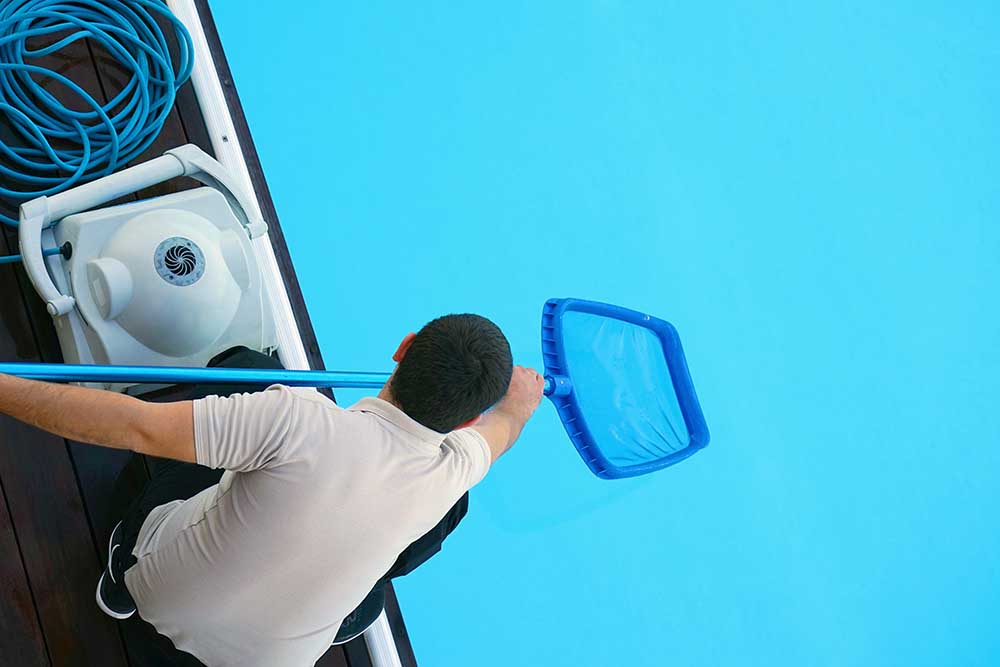
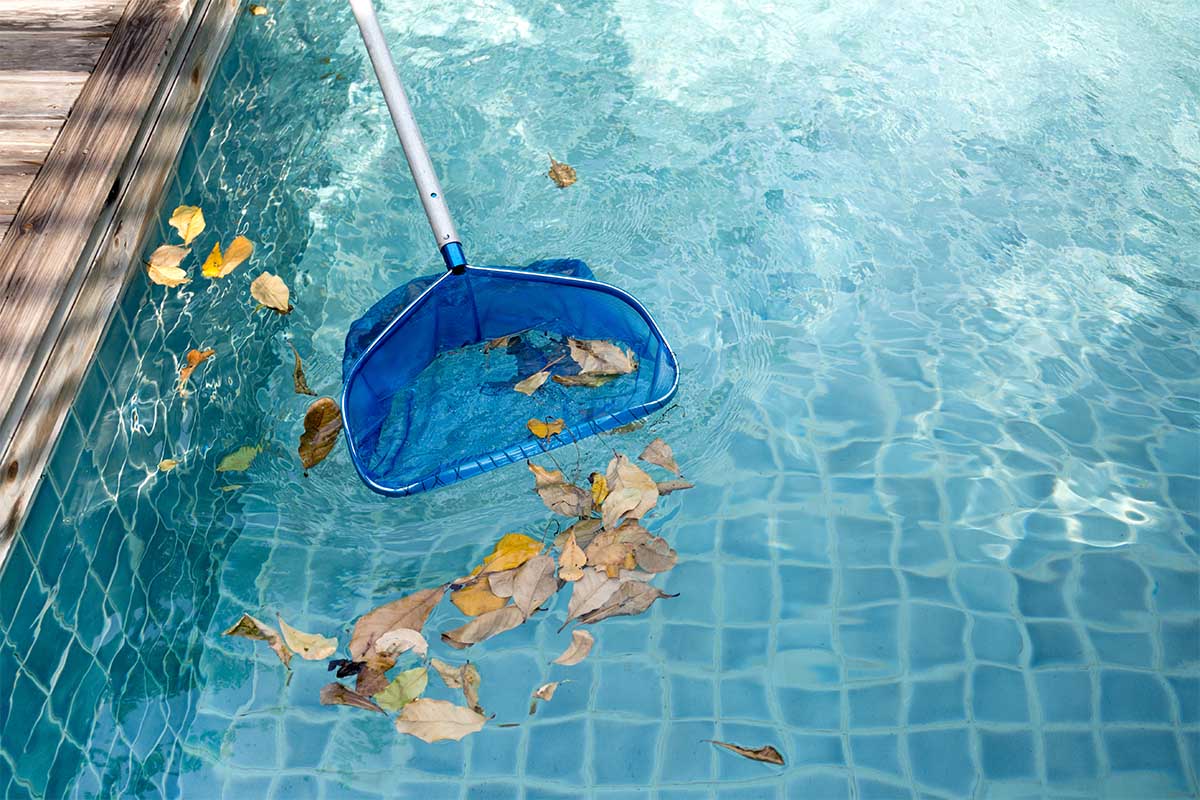
It’s tempting to think that a quick skim of the pool’s surface is all that’s needed to keep things in top shape. After all, debris such as leaves and twigs float on the water’s surface, so it’s easy to assume that removing these is the bulk of the work. However, maintaining a clean pool goes much deeper.
While skimming debris is necessary to maintain visual appeal and prevent buildup in the pool’s filtration system, it does not address the chemical balance of the water or the health of the pool’s equipment. A pool can look pristine on the surface but still harbor hidden issues beneath, such as an imbalanced pH or algae growth lurking in the pool’s corners.
2. Balancing the Water Chemistry
One of the most critical aspects of pool maintenance is ensuring the proper chemical balance in the water. Maintaining a correct pH, alkalinity, and calcium hardness is essential for both the safety of swimmers and the longevity of the pool.
pH Levels: The pH of your pool water measures its acidity or alkalinity. If the pH is too high or too low, it can cause skin irritation for swimmers, corrode pool equipment, and lead to cloudy water. The ideal pH level is typically between 7.4 and 7.6.
Alkalinity: The total alkalinity acts as a buffer for the pH levels, helping to keep the water’s acidity stable. If alkalinity is off, it can make the pH fluctuate wildly, leading to problems with skin irritation and water clarity.
Calcium Hardness: If the calcium hardness is too high, it can cause scaling on the pool’s surface and in the pipes, damaging equipment over time. Conversely, low calcium hardness can lead to etching or corrosion.
To maintain these chemical levels, pool owners need to regularly test their water using test strips or a liquid test kit and add the appropriate chemicals (like chlorine, algaecides, or pH adjusters) when necessary. Simply skimming the surface doesn’t address these hidden factors, which can affect both the aesthetics and safety of your pool.
3. Cleaning the Pool Filter
The pool filter plays a central role in maintaining clean and clear water by removing dirt, debris, and contaminants. Filters come in three main types: sand, cartridge, and diatomaceous earth (DE), and each needs specific maintenance.
Cleaning Sand Filters: Over time, sand filters can become clogged with particles, reducing their ability to properly filter the water. These filters need to be backwashed periodically to flush out trapped debris.
Cleaning Cartridge Filters: Cartridge filters trap particles in their pleated material. To clean these filters, they need to be removed, rinsed with a hose, and sometimes soaked in a filter cleaner to break down any buildup.
Cleaning DE Filters: These filters are the most effective at trapping small particles, but they also require a bit more attention. After cleaning, it’s crucial to add fresh DE powder to ensure proper filtration.
Without proper filter maintenance, the water in your pool can quickly become cloudy and unsafe, no matter how many times you skim the surface. Filters are the first line of defense in keeping the water clean, and if they’re neglected, you’ll notice the difference almost immediately.
4. Algae Prevention and Removal
One of the most frustrating pool problems is algae. Algae can grow quickly, especially in warm, sunny conditions, and it can transform your clear pool water into a green, murky mess. The cause of algae blooms is often an imbalance in the pool’s water chemistry, especially low chlorine levels.
Preventing algae growth involves:
Maintaining Proper Chemical Balance: As mentioned earlier, maintaining balanced pH and chlorine levels is key to preventing algae from taking hold.
Shocking the Pool: If your pool is at risk of or has already started to experience algae growth, “shocking” the pool with a higher dose of chlorine can help kill the algae and restore the water to its clear state.
Using Algaecides: In some cases, adding an algaecide to the pool water can provide extra protection and prevent the recurrence of algae blooms.
While skimming the surface will remove visible debris, it won’t prevent algae growth. Algae often grows in the corners, walls, and floor of the pool, areas you won’t typically notice unless you’re doing a deeper clean. Regularly brushing the pool walls and floor is just as essential as maintaining chemical levels to keep algae at bay.
5. Inspecting Pool Equipment
A pool’s filtration system, pump, heater, and other equipment are critical to the proper functioning of the pool. Regular maintenance of these components is essential to prevent costly repairs or replacements.
Pump and Heater: These pieces of equipment should be inspected for signs of wear and tear. Clogged pumps, for example, can reduce water circulation, while a malfunctioning heater can result in cold water temperatures.
Checking for Leaks: Small leaks in your pool’s plumbing can lead to significant water loss over time. Regularly checking for leaks in the pool’s skimmers, pipes, and fittings is important to prevent wasted water and increased utility costs.
Saltwater Systems: If you have a saltwater pool, maintaining the salt cell is essential for keeping the water clean. These cells need to be cleaned periodically to remove scale buildup.
Skimming the surface does nothing to address potential equipment issues. A proactive approach to equipment maintenance can extend the life of your pool and its components while ensuring everything runs efficiently.
6. Winterizing the Pool
In regions where temperatures drop below freezing, winterizing your pool is a crucial step in preparing it for the colder months. Proper winterization involves:
Draining the Pool: It’s often necessary to lower the water level to below the skimmer to prevent freezing damage.
Blowing Out the Lines: Water trapped in the pipes can freeze and crack the plumbing. Using a blower to remove water from the lines can prevent this.
Covering the Pool: A high-quality pool cover will keep debris out, protect the water, and ensure the pool is ready for use when warmer weather returns.
While it might be easy to assume that pool maintenance stops when the weather cools, winterizing your pool properly ensures it remains in good condition and reduces the likelihood of needing expensive repairs come spring.
Pool maintenance is much more involved than simply skimming the surface. It requires a comprehensive approach that includes regular water chemistry testing, equipment inspections, cleaning, and more. Whether you’re looking to keep the water sparkling clean, prevent algae growth, or ensure your pool’s longevity, a well-rounded maintenance routine is crucial.
By staying on top of these tasks and addressing potential issues before they become major problems, you’ll not only keep your pool in top shape but also enjoy safe and enjoyable swimming for years to come. Remember, a clean pool isn’t just about looks—it’s about creating a safe and enjoyable space for everyone to relax and have fun.
So, next time you grab your skimmer, remember: true pool care goes way deeper than just what you see on the surface!
For a sparkling pool all summer long, give us a shout… we’ve got you UNcovered!