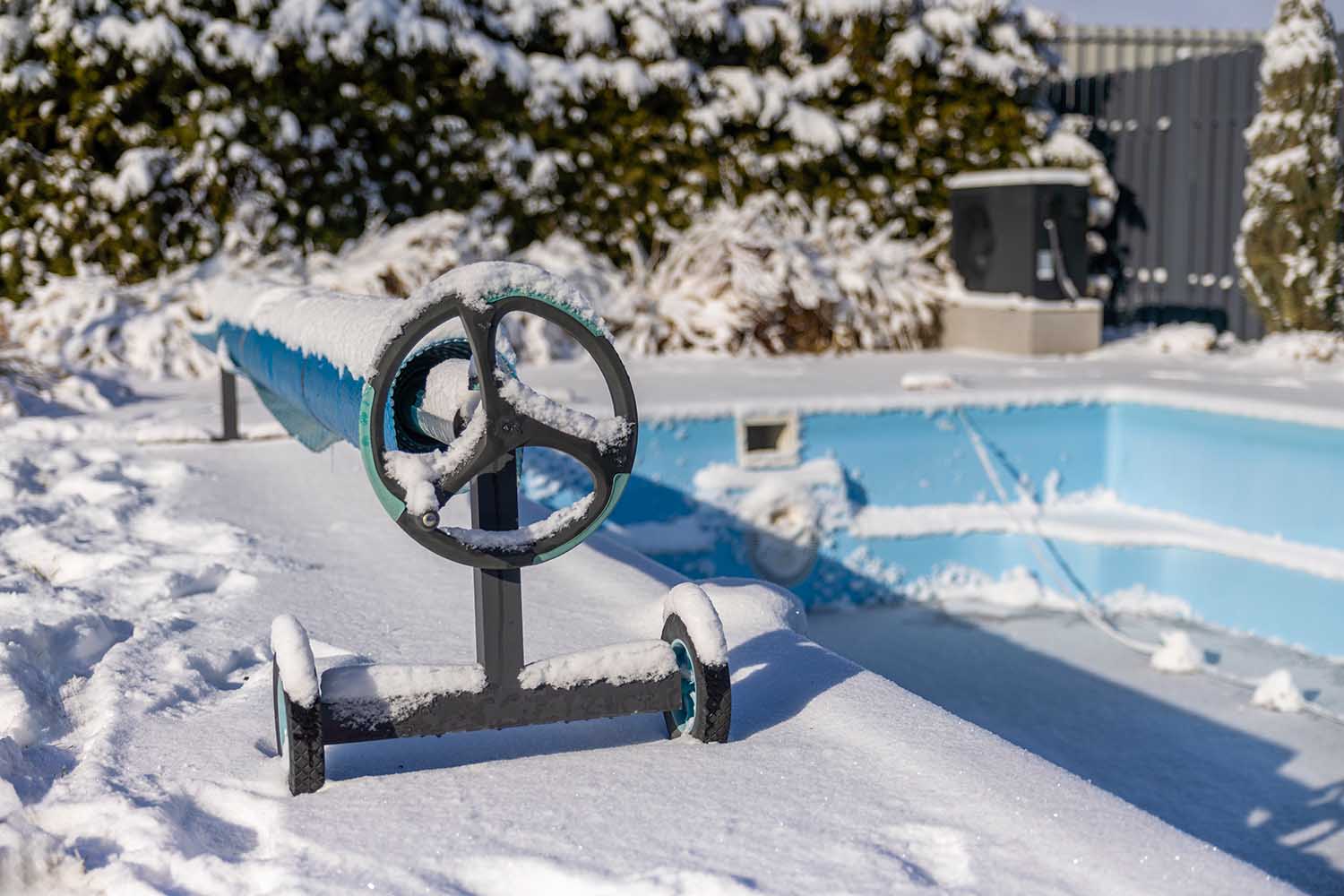
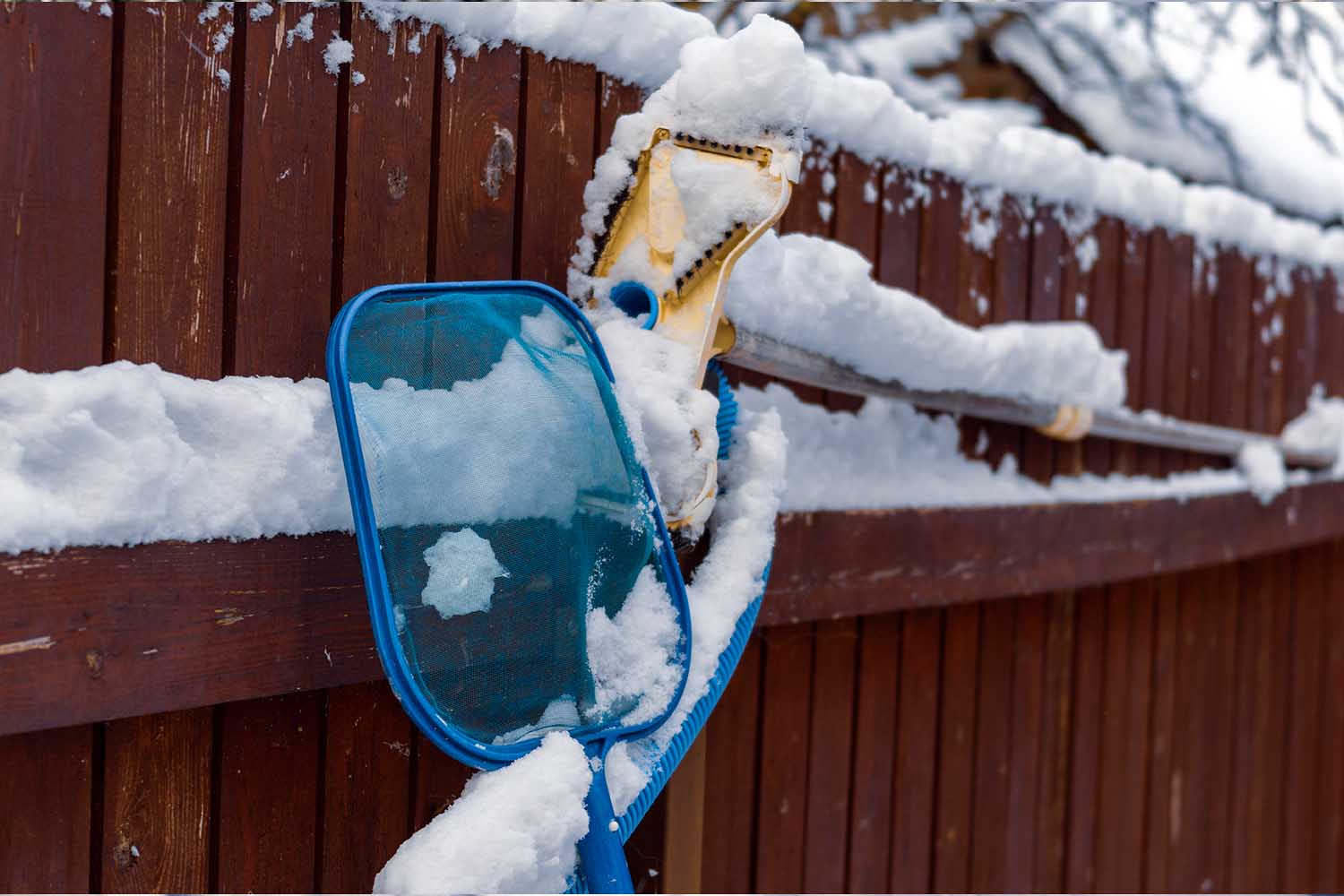
When the air turns crisp and the leaves start to fall, your pool might not be the first thing on your mind. But while you’re sipping cocoa and cozying up indoors, your pool equipment is outside braving the cold. Without the right preparation, freezing temperatures can wreak havoc on pumps, pipes, and heaters—turning spring’s grand reopening into an expensive headache.
The good news? A little winter care goes a long way. With the right steps and a few smart habits, you can protect your pool’s vital equipment and ensure everything runs smoothly once swimming season returns. Here’s your complete guide to keeping your heaters, pumps, and pipes in peak condition all winter long.
1. Why Winter Pool Maintenance Matters
It’s tempting to think that once swimming season ends, your pool can simply be “shut off” and ignored until spring. Unfortunately, that’s a costly mistake.
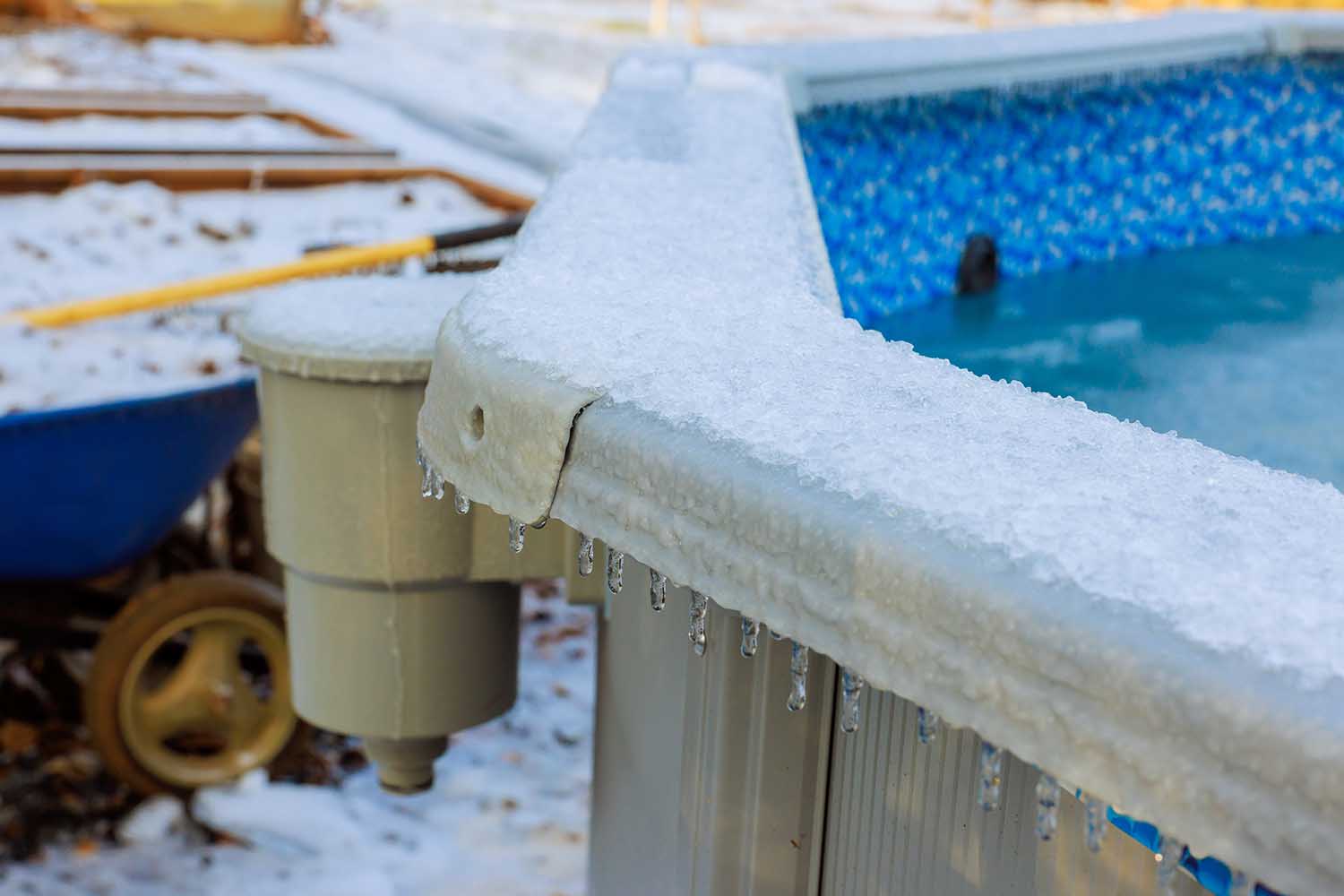
Cold weather causes water to expand as it freezes—putting enormous pressure on pool plumbing, filters, and pumps. A single cracked pipe or frozen pump housing can lead to hundreds (or even thousands) of dollars in repairs.
Beyond that, neglecting your pool equipment can shorten its lifespan. Even when not in use, components like seals, bearings, and heaters benefit from proper cleaning and dry storage. The bottom line: winterizing your pool isn’t just about preventing damage—it’s about preserving your investment.
2. Start With a Clean Slate
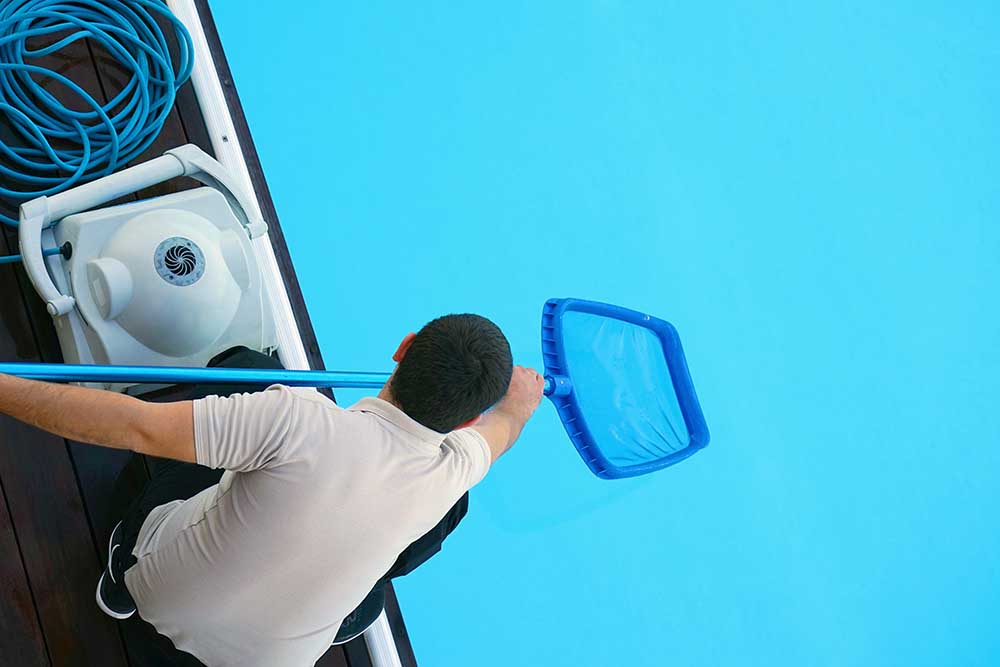
Before you touch any equipment, start with a clean pool. Remove debris, vacuum the bottom, and balance your water chemistry. This step may seem unrelated to equipment care, but dirty or chemically imbalanced water can corrode parts and create buildup in filters and pipes.
Once your pool is sparkling and your pH, alkalinity, and chlorine levels are balanced, you can move on to the equipment itself.
3. Pump Protection 101
Your pool pump is the heart of the system—it circulates water, drives filtration, and keeps everything running efficiently. In winter, that “heart” needs a rest, but it must be protected properly.
-
Turn off power and drain the pump. Disconnect electricity from the pump at the breaker. Then, remove drain plugs to let any trapped water flow out. Even a small amount of standing water can freeze and crack the pump housing.
-
Disconnect hoses or unions. If possible, detach hoses or unions connected to the pump and let them drain completely.
-
Clean the basket and housing. Remove the pump basket and rinse out debris. This prevents corrosion or buildup during storage.
-
Store indoors if possible. If your pump is portable, bring it inside to a dry area like a garage or shed. If not, cover it securely with a breathable, waterproof cover designed for pool equipment.
Pro tip: Never wrap the pump in plastic sheeting—it traps condensation, which can cause rust.
4. Filter Care: Don’t Skip This Step
Your pool filter also needs a little TLC before winter hits. Whether you have a sand, cartridge, or DE (diatomaceous earth) filter, follow these general steps:
-
Backwash or clean the filter. Run a backwash cycle (for sand or DE filters) or remove and rinse cartridges thoroughly.
-
Drain it fully. Open the air relief valve and remove the drain plug to let all water escape.
-
Disassemble if needed. For DE filters, consider removing grids; for cartridge filters, take out cartridges and store them indoors.
-
Cover or store. Just like with the pump, cover your filter system if it must remain outdoors, or store components in a dry place.
Clean filters ensure that when you reopen your pool in the spring, you won’t face a clogged or damaged system.
5. Heaters: Handle With Care
Pool heaters—whether gas, electric, or solar—are often the most expensive piece of pool equipment, so extra care is worth it.
-
Shut off power and gas supply. Safety first! Always disconnect energy sources before working on your heater.
-
Drain water completely. Remove drain plugs and use a shop vac to blow out any remaining moisture inside the unit.
-
Clean the exterior. Wipe off leaves, dirt, and spider webs that can clog vents or cause corrosion.
-
Check for pests. Mice and insects love to nest inside heaters during cold months, so inspect for openings and use mesh covers to keep critters out.
-
Cover, but don’t seal tight. Use a breathable heater cover to protect it from snow and ice while still allowing airflow.
For solar heaters, drain and disconnect panels if possible, or tilt them so water doesn’t pool and freeze inside.
6. Pipes & Plumbing: The Silent Threat
Freezing pipes are a pool owner’s worst nightmare. Fortunately, prevention is simple if you do it right.
-
Blow out the lines. Use an air compressor or a specialized pool blower to push water out of return, skimmer, and main drain lines.
-
Add pool antifreeze (optional). In areas with harsh winters, non-toxic pool antifreeze provides an extra layer of protection.
-
Plug the lines. Use freeze plugs or expansion plugs to seal openings after blowing them out.
-
Don’t forget above-ground plumbing. Hoses, unions, and exposed fittings can crack easily—store or insulate them.
If your pool runs all winter (common in mild climates), keep the water circulating 24/7 during freezing temperatures to prevent ice formation.
7. Electrical Components & Timers
Power down and inspect all electrical components before the deep freeze sets in. Remove or protect timers, lights, and control panels from moisture. If your system uses automation, check that freeze protection features are enabled—these sensors can automatically run pumps when temperatures drop too low.
8. Bonus Tip: The Power of a Good Pool Cover
A durable, properly fitted pool cover isn’t just for keeping leaves out—it’s also your first line of defense against winter damage. It prevents excess water from entering the system, reduces debris buildup, and maintains stable temperatures for your equipment area.
9. Spring Reopening Made Simple
When warmer days return, your careful winter preparation will pay off. Reinstall drain plugs, reconnect plumbing, inspect seals, and test each component before refilling and restarting your system. You’ll save time, money, and frustration—plus, you’ll be ready to dive in faster.
Final Thoughts
Taking care of your pool equipment in winter isn’t glamorous, but it’s absolutely essential. By properly draining, cleaning, and covering your heaters, pumps, and pipes, you’re not just preventing damage—you’re extending the life of your entire pool system.
So, before the first frost hits, set aside a weekend, roll up your sleeves, and show your pool equipment a little love. Come spring, when your neighbors are dealing with cracked pipes and broken pumps, you’ll be the one enjoying crystal-clear water and peace of mind.
At Cross County Pool & Spa, we know that your pool deserves care year-round — even in the colder months. Our expert team will ensure your pool stays clean, protected, and ready for the next swim season with professional winter maintenance, balanced water chemistry, and thorough equipment checks. You can relax knowing we’ll handle every detail, preventing costly damage and keeping your pool in top condition. With ABC Pools, your pool will rest easy this winter — and so will you.
Cross County Pool – Fairfield County’s trusted partner for everything pool and spa.
Next spring… for a sparkling pool all summer long, give us a shout… we’ve got you UNcovered!